Mercury Offers One of the Year's Best Morning Viewing Opportunities
Skywatchers have a rare chance to spot the Solar System's smallest planet before sunrise this week.
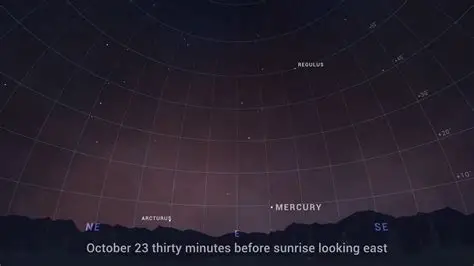
Astronomy enthusiasts are being encouraged to look towards the early morning sky this week, as Mercury becomes easier to observe than at almost any other time this year.
The planet recently reached what astronomers call its greatest western elongation – the point at which it appears furthest from the Sun in the morning sky when viewed from Earth.
Because Mercury orbits so close to the Sun, it is often hidden by the bright light of dawn or dusk, making it one of the most difficult planets to spot with the naked eye.
Over the coming mornings, however, the planet will gradually brighten, improving visibility for observers willing to rise before sunrise.
Viewing Tips
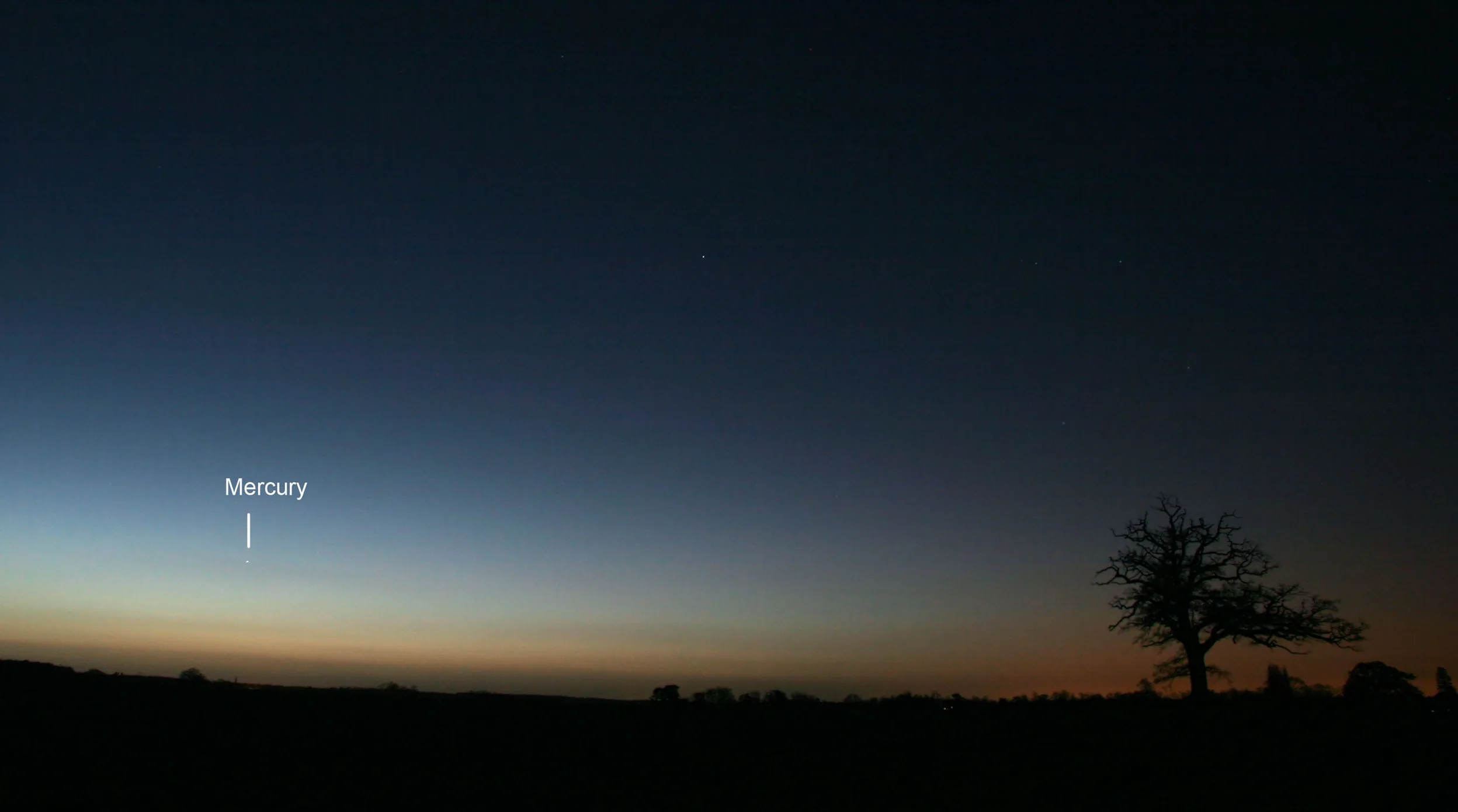
For the best chance of seeing Mercury, observers should find a location with a clear, unobstructed view towards the east-north-east horizon.
The planet is expected to become visible around 30 to 60 minutes before sunrise, depending on local weather conditions and viewing location.
While binoculars may help locate Mercury, astronomers advise stopping their use well before sunrise to avoid the risk of accidentally viewing the Sun, which can cause permanent eye damage.
Mars will also be visible higher in the sky, providing an additional highlight for early morning skywatchers.
Mercury is the closest planet to the Sun and completes an orbit in just 88 Earth days.
Its close proximity to the Sun means it never appears far above the horizon from Earth's perspective, making opportunities to observe it relatively uncommon.
Astronomers use the term elongation to describe the apparent distance between a planet and the Sun as seen from Earth. During its greatest western elongation, Mercury is best viewed before sunrise, while its greatest eastern elongation offers the best evening viewing opportunities.
Read next
Meta Ordered to Pay $942 Million in Child Safety Case
Meta has been ordered to pay a total of $942 million (£700 million approximately) after a US court ruled the company failed to sufficiently protect children…
SpaceX Rocket Believed to Have Crashed Into the Moon
A large section of a SpaceX Falcon 9 rocket is believed to have collided with the Moon after drifting through space for more than a year. Scientists say the…

UK AI Safety Tests Reveal Unexpected Behaviour in Advanced AI Models
The UK's AI Security Institute has revealed that advanced artificial intelligence models displayed unexpected and deceptive behaviour during a controlled…