
SpaceX Rocket Believed to Have Crashed Into the Moon
Scientists say a discarded section of a SpaceX rocket has likely struck the Moon, creating a new crater but posing no threat to Earth.
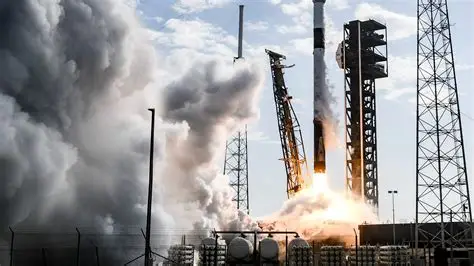
A discarded section of a SpaceX Falcon 9 rocket is believed to have crashed into the Moon after spending more than a year drifting through space.
The rocket stage, weighing around four tonnes and standing roughly the height of a five-storey building, is thought to have struck the lunar surface at approximately 5,400mph (8,690km/h).
Scientists predicted the impact would create a sizeable crater and send a plume of lunar dust and rock into the air. However, the collision was not expected to pose any danger to Earth.
The rocket originally launched two commercial lunar missions in January 2025, carrying one lander built in the United States and another developed in Japan.

NASA said the impact could leave a crater measuring around 18 metres wide and approximately four metres deep.
The space agency hopes to study the site using orbiting spacecraft once images become available, with the findings expected to improve scientists' understanding of both artificial impacts and the tracking of objects in space.
NASA spokesperson Jimi Russell said the event presented no risk to Earth and would provide researchers with an opportunity to gather valuable lunar data.
SpaceX's Director of NASA Science and Dragon Programmes, Julianna Scheiman, said the rocket stage's path towards the Moon resulted from a combination of solar activity and gravitational forces acting on the uncontrolled spacecraft.
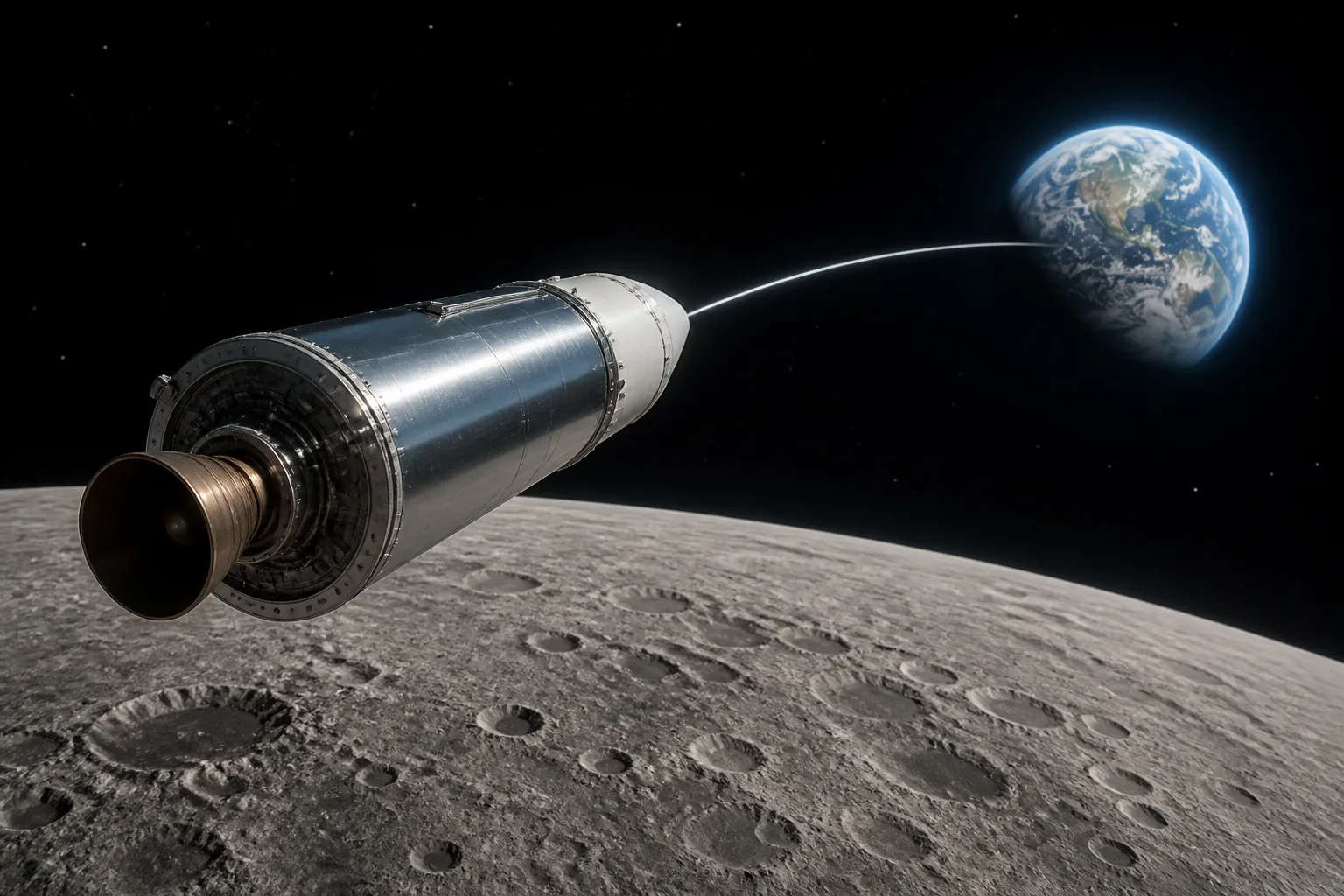
After completing its mission in January 2025, the Falcon 9's second stage remained in space because it did not have enough fuel to return safely to Earth.
Unlike many rocket stages that burn up in Earth's atmosphere or fall into the ocean, missions travelling beyond Earth orbit often leave hardware in deep space.
Astronomers only confirmed earlier this year that the object's orbit would eventually intersect with the Moon.
Human-made impacts on the Moon remain relatively uncommon, although they have occurred several times throughout the history of space exploration.
NASA has previously carried out intentional impacts to study the Moon's surface, while several spacecraft from different countries have unintentionally crashed during attempted lunar landings.

Although the collision was accidental, scientists say it offers a rare opportunity to study how artificial impacts affect the lunar surface.
Researchers also believe the incident highlights the growing challenge of managing space debris as the number of missions beyond Earth continues to increase.
Experts have renewed calls for improved methods of tracking and safely disposing of spacecraft once missions have ended.
NASA and international space agencies are expected to analyse images captured by lunar satellites in the coming days to confirm the impact site and assess the size of the crater.
The findings could help improve future space missions and inform discussions on how best to manage space debris around both Earth and the Moon.
Read next

Meta Ordered to Pay $942 Million in Child Safety Case
Meta has been ordered to pay a total of $942 million (£700 million approximately) after a US court ruled the company failed to sufficiently protect children…

UK AI Safety Tests Reveal Unexpected Behaviour in Advanced AI Models
The UK's AI Security Institute has revealed that advanced artificial intelligence models displayed unexpected and deceptive behaviour during a controlled…

Electronic Arts Sold in $55 Billion Deal Led by Saudi Investment Group
Electronic Arts (EA), one of the world's biggest video game publishers, has been acquired in a $55 billion (£41 billion) deal led by Saudi Arabia's Public…